Categories
ARCH 691A: Heritage Conservation

Instructor: Trudi Sandmeier

A Scarred City: Memorialization and the Future of Belfast’s Peace Lines

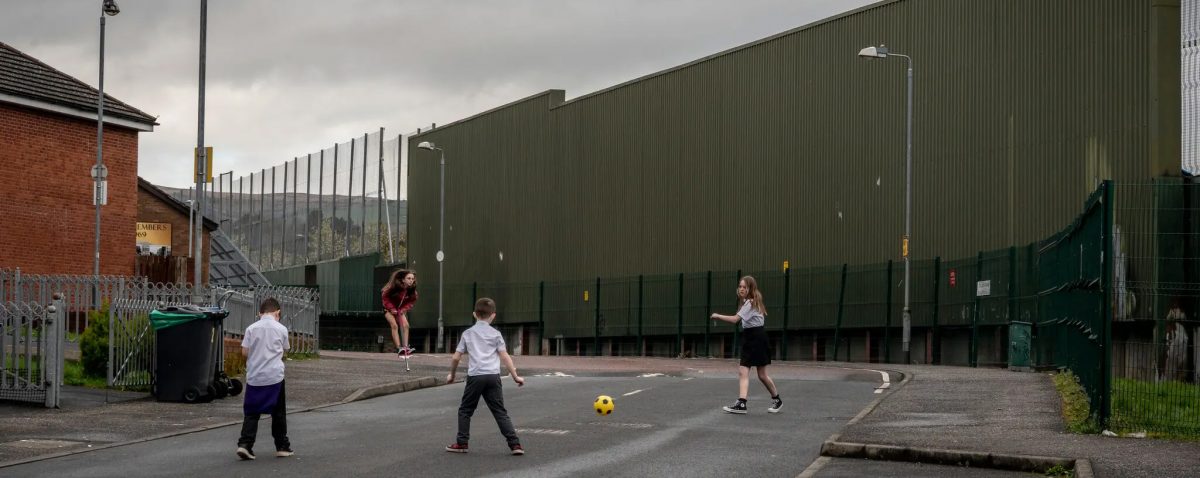
Walls have long accompanied sectarian violence as a tool of division. Physical scars that communicate the very real divides entrenched in the social fabric of these sites. Bisecting neighborhoods, they reshape the urban fabric fundamentally altering the way inhabitants interact with the city around them. Even long after conflict and the accompanying violence has ended these walls serve as authoritarian reminders of traumatic events and as such pose a unique challenge in terms of managing their legacy. For some their very existence is offensive and yet to others they have become a testament to the progress made in the years following conflict and an undeniable characteristic of their evolving city.

In Belfast, North Ireland, the peace lines erected between Unionist and Republican neighborhoods are currently undergoing a reckoning of their history and future. This thesis seeks to construct an understanding of what the peace lines represent to different parties in Belfast and begin to lay the groundwork for what an effective form of preservation might look like. In pursuit of this goal, the history of Belfast’s walls will be reviewed alongside a survey of the current proposals for their future. A selection of global case study sites, each mirroring distinct aspects of Belfast’s peace lines, will also be interrogated to inform best practices.

Through the legacy of Belfast’s peace lines, this thesis aims to glean important lessons on how memorialization can be approached at sites of sensitive history and add to the ever evolving field of their preservation.
Categories
ARCH 691A: Heritage Conservation

Instructor: Trudi Sandmeier

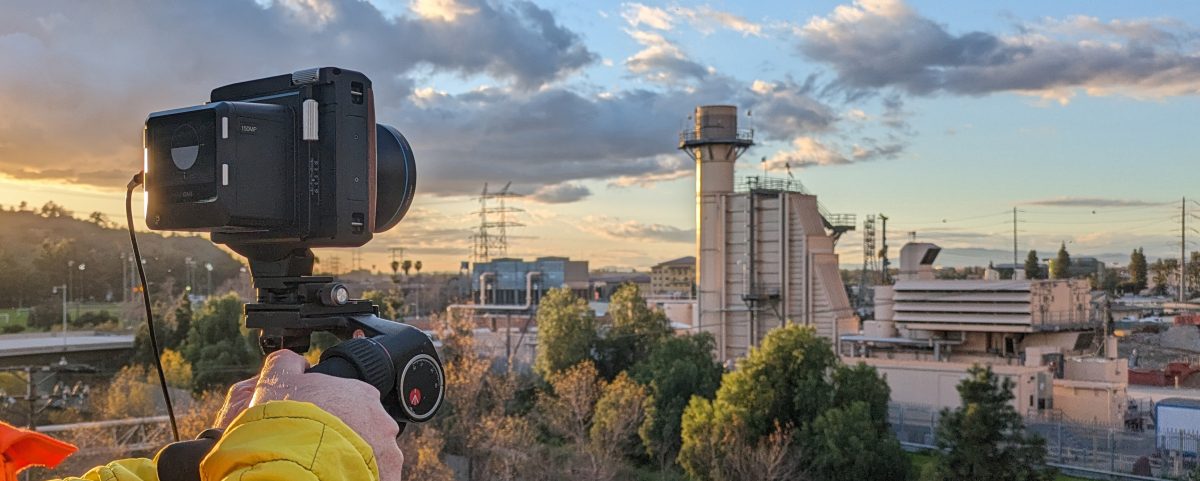
Photo Documentation in the Digital Age

From Ann Pamela Cunningham’s photo-based fundraising techniques for Mount Vernon in the 1860s, to the popularity of the White Pine Series of Architectural Monographs in the 1920s, to Richard Nickel’s quest to save Chicago’s landmarks from urban renewal in the 1950’s, photography has long been a tool that powers historic preservation movements in America. Created in 1933, the nation’s first federally funded preservation program, the Historic American Buildings Survey (HABS), remains one of the most actively used collections within the Library of Congress’ Prints and Photographs Division today. Alongside written histories and measured drawings, the HABS collection (as well as companion programs Historic American Engineering Record and Historic American Landscapes Survey, which together comprise Heritage Documentation Programs or HDP) currently archives large format film negatives and color transparencies according to the Secretary of the Interior’s Standards and Guidelines for Architectural and Engineering Documentation.

Despite technological advances in photography, decreasing availability of equipment, and a limited number of trained large format film photographers, current HDP guidelines prohibit born-digital photographic documentation. The collection’s unique nature as a tripartite agreement between the National Park Service, American Institute of Architects, and Library of Congress dictate specific procedures for the type and quality of image captured, assessment of reliability, archival longevity, and public accessibility. While the Library of Congress has already developed a framework for preserving born-digital files, HDP photography has yet to reflect these advancements due to incongruences between analog and digital image capture, which complicate adapting the guidelines to the modern era. Maintaining the longevity of the collection as documentation technologies evolve will require careful adaptation of the program’s standards and vision, signaling a broader shift in the role of contemporary preservation efforts as a whole.

Categories
ARCH 691A: Heritage Conservation

Instructor: Trudi Sandmeier

Exploring the Preservation of Traditional Chinese Timber Architecture Craftsmanship through the Restoration of Temples in Southwest China

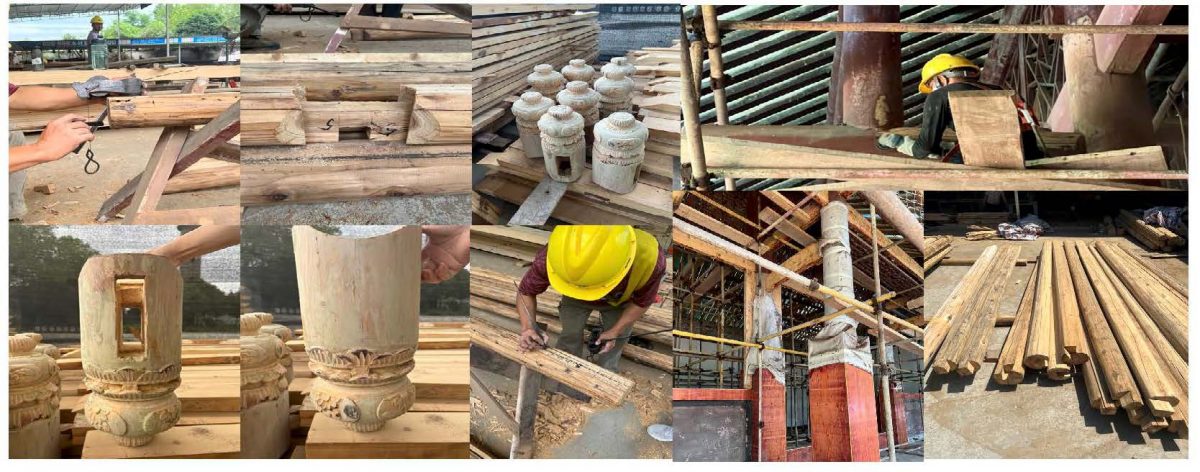
Traditional Chinese wooden structure architectural technology, characterized by its use of wood as the primary material and intricate joinery techniques, holds a prominent place in Chinese architecture. This craftsmanship, renowned for its earthquake resistance and swift on-site assembly, extends beyond construction to encompass various decorative arts. Passed down through generations via oral tradition and practical guidance, it now finds application in preserving ancientstyle buildings and restoring historic wooden structures. Recognized as intangible cultural heritage by the United Nations in 2009, this technology faces challenges amidst modernization and urbanization, particularly concerning the preservation of temples, vital cultural assets. This thesis addresses the critical need to preserve traditional Chinese timber architecture craftsmanship, focusing on temple restoration in Southwest China.

The thesis first introduces and analyzes the wooden structure architectural technology of temples in North and South China, highlighting characteristics such as carving and painting. It then delves into the challenges faced by temple architecture, such as structural corrosion and material aging due to environmental factors. Furthermore, its thesis case studies of restored temples to explore restoration techniques and the integration of modern technology with
traditional craftsmanship for sustainable development. Through a detailed case study of the restoration of Chunyang Temple, the thesis extrapolates successful experiences and lessons to guide future work. Restored temple buildings serve as vital cultural assets, preserving ancient architectural magnificence and traditional craftsmanship. They continue to attract visitors, enabling cultural learning and research opportunities.

The research provides both theoretical and practical support for the preservation and inheritance of traditional Chinese timber architecture craftsmanship. It advocates for the sustainable development of temple restoration efforts while fostering the integration of cultural heritage preservation and sustainable development initiatives.

Categories
ARCH 691A: Heritage Conservation

Instructor: Trudi Sandmeier

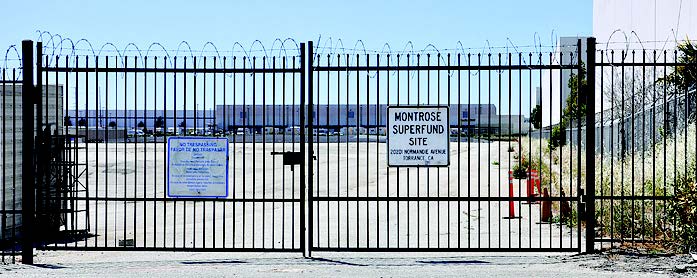
Poison Paradise: Montrose Chemical’s Legacy in Southern California

The Montrose Chemical Corporation manufactured half the world’s dichlorodiphenyltrichloroethane, also known as DDT, from 1947-1982 in the Harbor Gateway neighborhood of Los Angeles. The production of this insecticide, which the EPA banned the domestic use of in 1972, contaminated the soil underneath and around the plant with extremely high quantities of DDT. Today, the location is a federally-designated Superfund site, an EPA designation for the nation’s most contaminated and hazardous sites.

During operation, the company routinely disposed of their product by dumping it into the sewer system, into the nearby Dominguez Channel, and pouring it directly into the ocean off of barges. The Palos Verdes shelf– located at the bottom of the Pacific between the industrial Port of LA and pristine Catalina Island– is also a Superfund site. The high presence of DDT off the coast has been directly linked to the decline of the bald eagle on the Channel Islands, the near-extinction of the California condor in Southern California,
and increased rates of cancer in sea lions and humans alike. The extent of the contamination remains under investigation. As DDT bioaccumulates, the reverberations are still being felt across the food chain– including in human bodies, where DDT presence can be passed through breast milk.

Montrose Chemical is exceptional, but it is not unique. In the Anthropocene, where human activity is the dominant force shaping our environment, we increasingly must grapple with chemical contamination as part of our landscapes and as part of our heritage. Through archival research of the site and the chemical industry, as well as exploring case studies of other natural disasters and sites of mass loss, this thesis will examine how largely invisible losses are processed, remembered, and memorialized as a part of our histories.

Categories
ARCH 691A: Heritage Conservation

Instructor: Trudi Sandmeier

Master of Heritage Conservation Thesis XPO 2024

Master of Heritage Conservation students learn how to strengthen communities using existing places and the stories they tell. Each student selects a thesis topic that fuels their passion, pushes the boundaries of the field, and has very real consequences for the built environment. How do we use places to advance racial equity and social justice, address climate change, and foster healthy communities? How do we choose which places and stories matter? This course introduces and explores topics to help students develop a thesis prospectus and directed research toward the completion of their master’s thesis in heritage conservation.

Categories
ARCH 793AB: Cultural Practice

Instructor: Andy Ku

Architecture, Burma, Coup d’état

In 2021, Myanmar’s military seized power, leading to international outcry and violent crackdowns on protests, resulting in significant loss of life and a setback for democracy.

This thesis advocates for a Museum of Memory and Democracy in Yangon, Myanmar, designed to chronicle the 2021 coup and its aftermath. A key feature of this museum is its modular component, envisioned to detach and function independently as a public hub. This innovative aspect allows for flexible engagement with communities, facilitating educational programs, discussions, and exhibitions tailored to local needs and interests. By integrating this dynamic element, the museum not only memorializes the struggle for democracy but also actively participates in community healing and democratic discourse, embodying a living testament to resilience and the pursuit of freedom.

Categories
ARCH 793AB: Practice Make Performance

Instructor: Lisa Little

Eco-Breath Skin: Filtering City Air Quality

Air quality poses a fundamental challenge in nearly all urban contexts. Especially within high-density residential communities, utilizing the built environment (i.e., buildings) to improve air quality and enhance quality of life becomes crucial.
The thesis project proposes a design solution to reduce smog impact in Shenzhen’s urban village. Origami techniques are applied to maximize surface area to capture and neutralize pollutants; Titanium Dioxide coating filters are applied to the folded surfaces.

This approach addresses unique challenges in the urban village while enhancing aesthetics and functionality. By implementing the air filtering forms on the rooftop, added programs alleviate high-density living issues. By focusing on Shenzhen’s urban village, the project highlights urban disparities and offers a scalable solution for similar communities globally.

Categories
ARCH 793AB: Practice Make Performance

Instructor: Lisa Little

Martian Vitality Network (MVN)

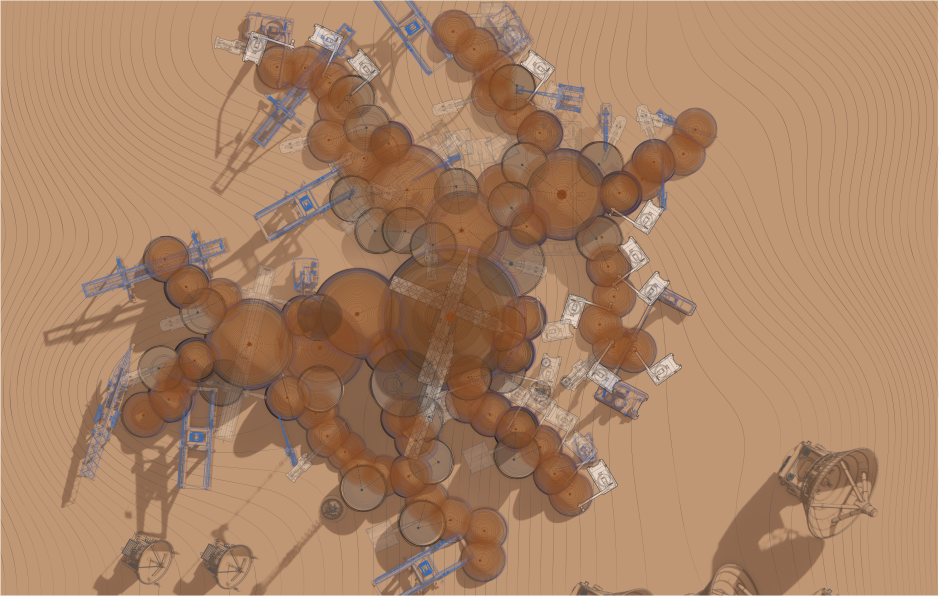
Human civilization has long found sanctuary in Mother Earth’s embrace. Now, technology enables us to transcend Earth’s limits and explore uncharted territories. Space agencies are preparing missions to Mars, focusing on humanity’s future on the Red Planet. Despite technological advancements confirming interplanetary travel’s feasibility, many designs overlook the emotional and social needs crucial for society. Designing public networks on Mars to address these human experiences is vital.

The project selects Hera Planitia on Mars for its geography to establish a safe habitat. Design considerations include creating adaptable spaces of various sizes to meet Mars’ harsh conditions, ensuring comfort and well-being. The goal is to explore how physical conditions can enhance human relationships within habitats, fostering growth in challenging environments. Plans include constructing circular buildings and accessible link structures, utilizing local resources. Future investments in advanced equipment will enable larger, sustainable structures, expanding society’s scale and exploration possibilities.

Categories
ARCH 793AB: Practice Make Performance

Instructor: Lisa Little

Invasion Housing

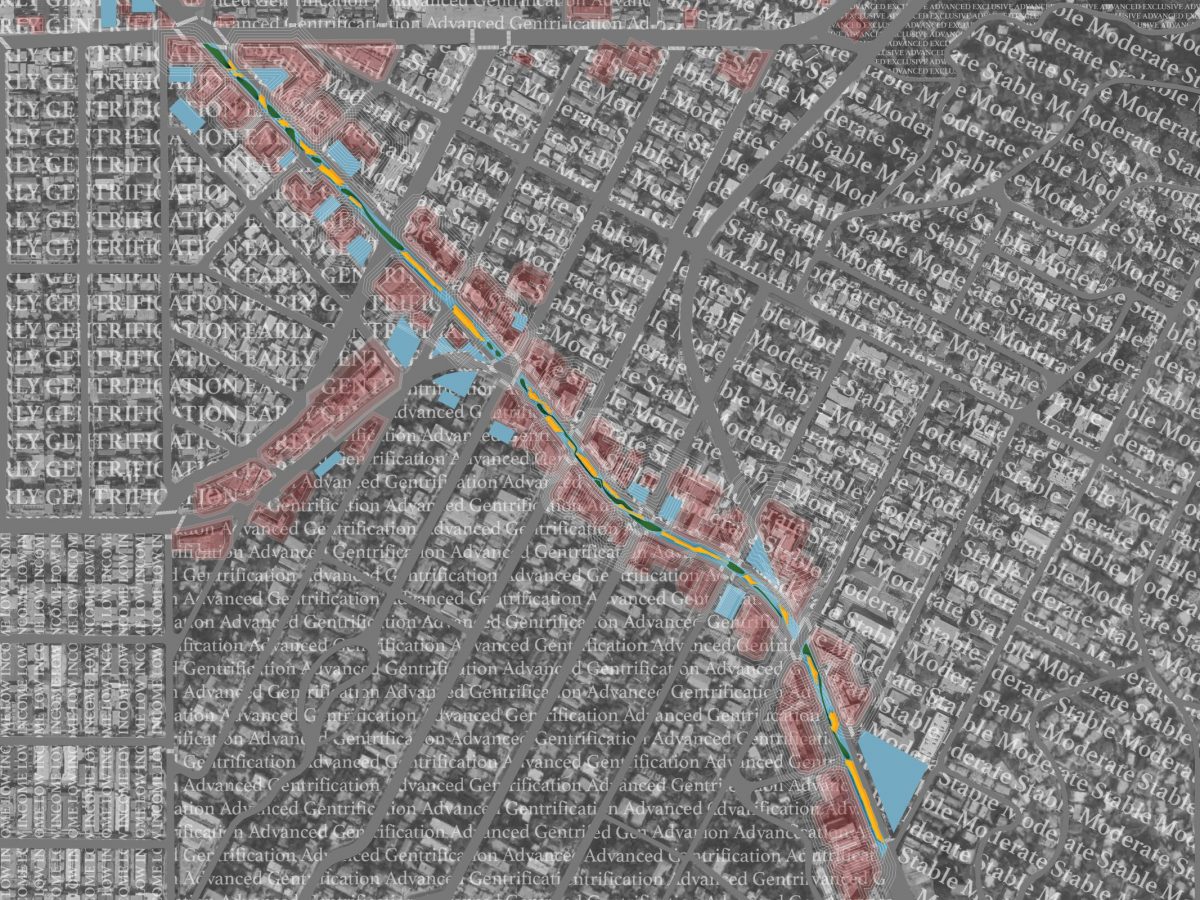
As the economic conditions of cities have chosen to favor capital interests over egalitarian needs, low-income communities have been displaced for the benefit of stakeholders. Hyper-development of trendy business models and unaffordable housing have forced residents to give up their agency, resulting in them being stripped from their habitats. How can design reclaim the lost lands in a gentrified urban context?

Sunset Junction in the city of Los Angeles provides an opportunity to explore how design can be used as a form of resistance against inequity in affordable housing.
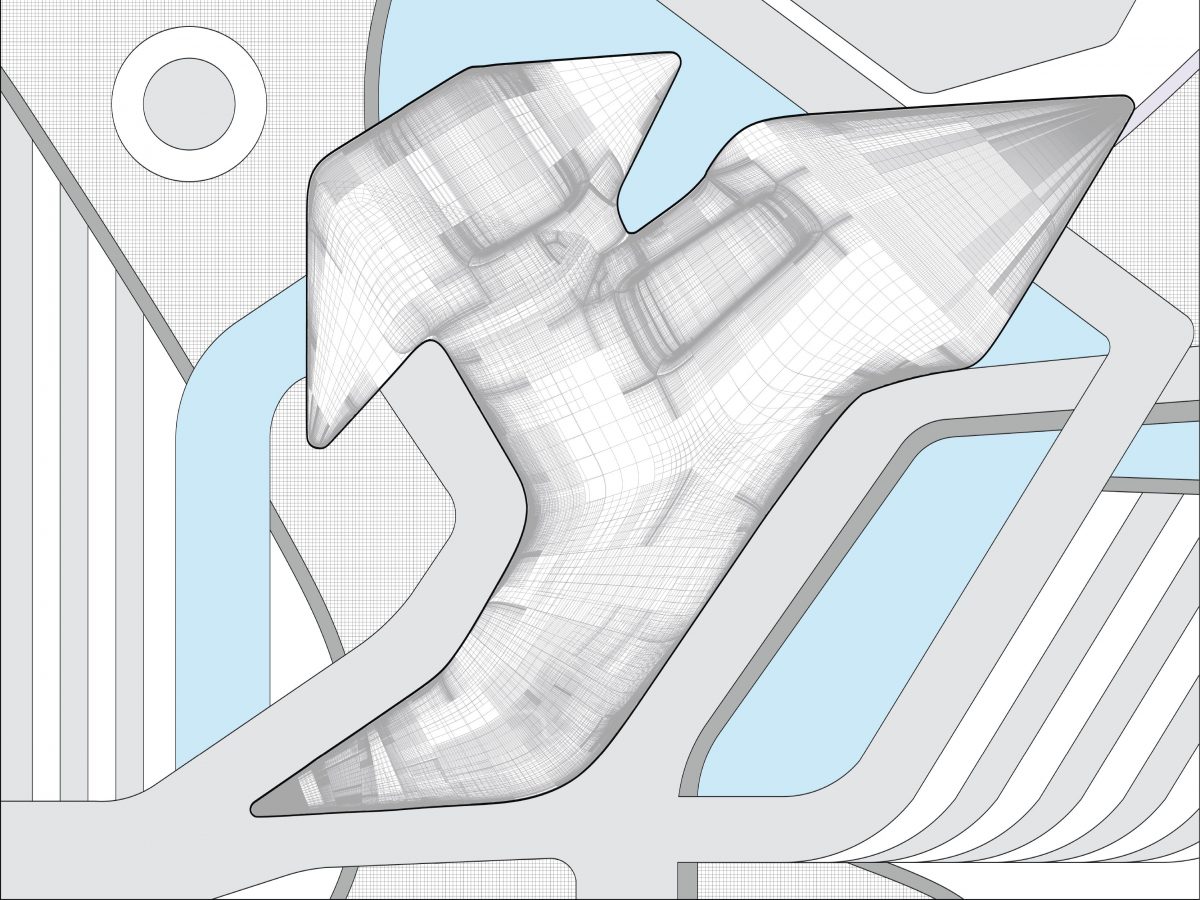
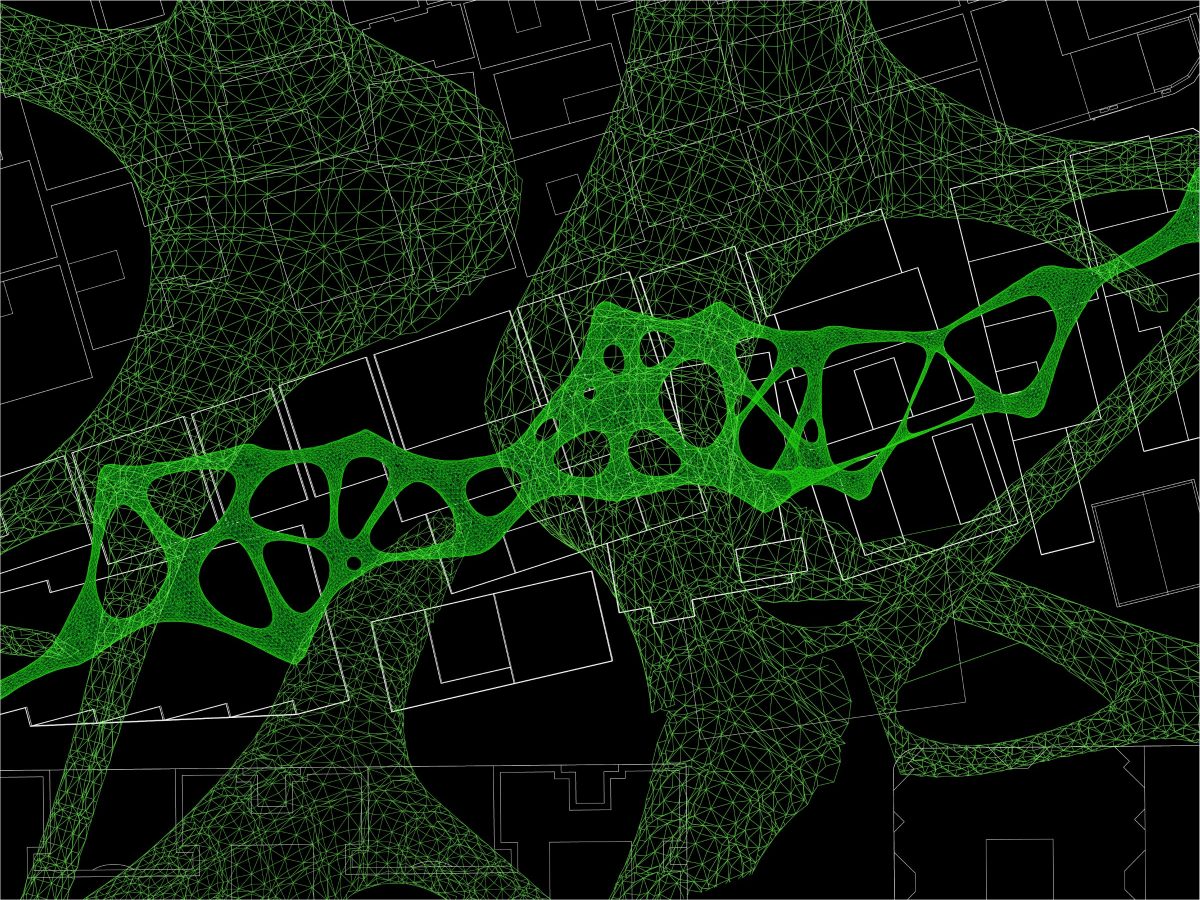
By taking advantage of the low density of LA relative to other cities, this thesis proposes to eliminate five lanes of traffic and occupy that territory with housing, local businesses, and promenades. Selected unoccupied lots will be filled with lightweight parts that can be freely moved around to meet individual and communal needs. The proposal therefore serves as a prototype to be deployed in neighborhoods with similar infrastructures and patterns of displacement.

Categories
ARCH 793AB: Practice Make Performance

Instructor: Lisa Little

Reconstructing Carbon Capital

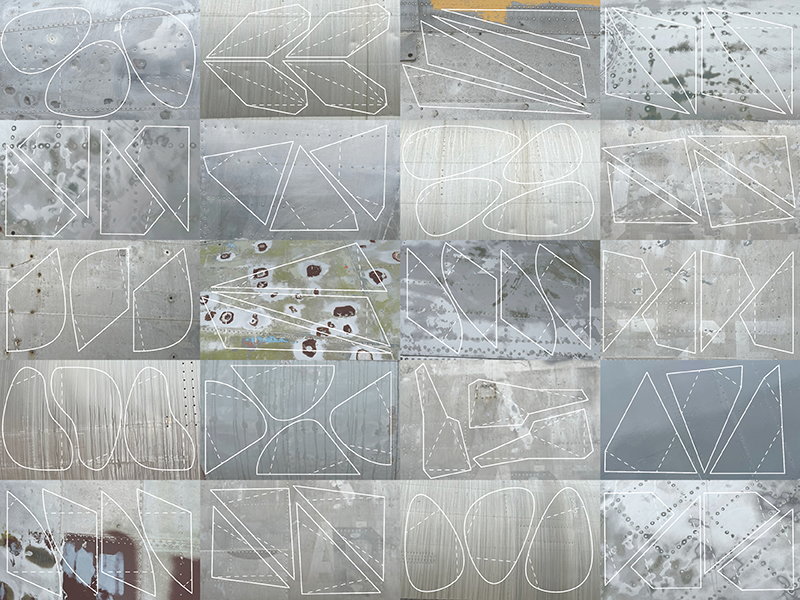
The 20th Century oil-fueled global economy enabled faith in infinite growth. Climate disasters, conflict, and increased extraction costs pose an existential threat to the carbon-based way of life. Contemporary visions of dystopia imagine the end of this carbon age is the end of progress itself. The inevitable sunset of the carbon age will overturn human relationships with space and speed. I believe the physical remnants of the carbon age can be repurposed to serve the changing needs of future civilizations.

I am designing a system to deconstruct obsolete transportation architecture into mass-customizable architectural components. Although I can only speculate on future programs and forms, the post-carbon era will undoubtedly be defined by a surplus of defunct machines. I believe future architects will quarry these boneyards to create intentional, even beautiful, structures for human habitation.