
Categories
Arch 698b: The Other California

Instructor: Alison Hirsch

Textile Landscapes: The Material Future of Tulare Lake

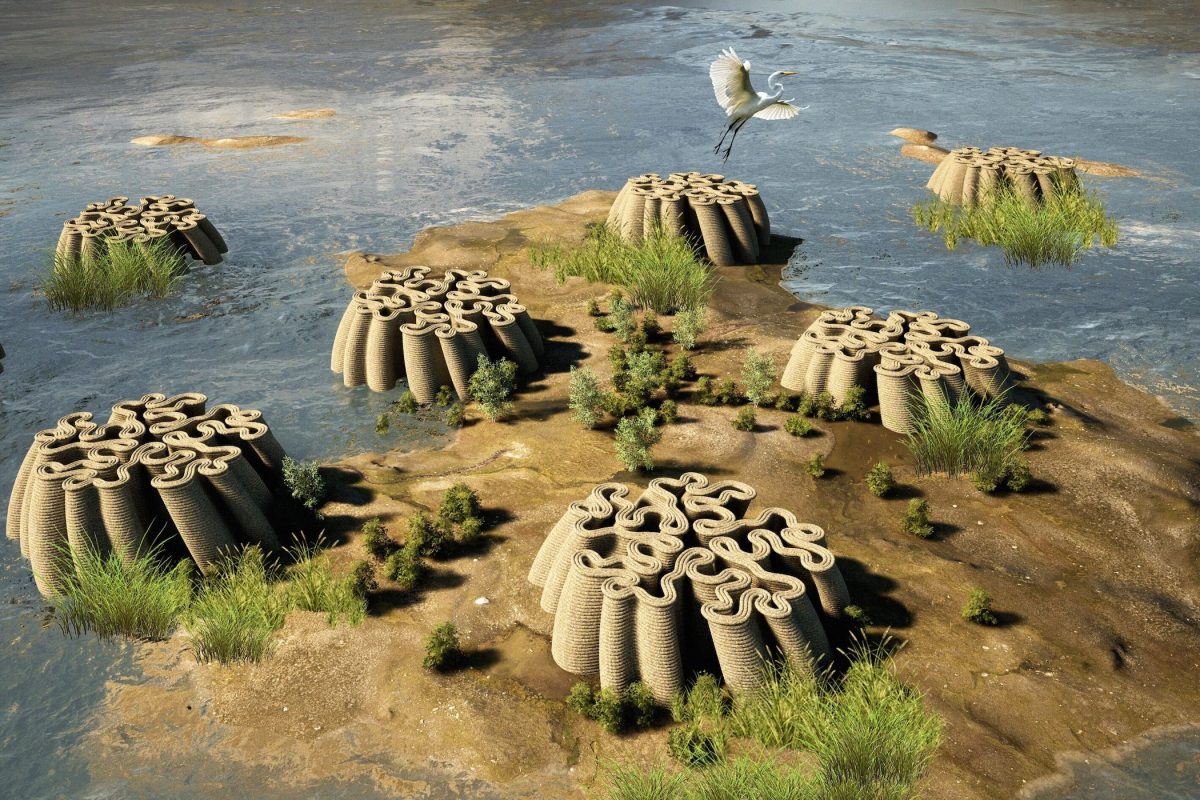
The project examines cotton’s material properties as a key non-food crop in the Central Valley, with a historical significance in the Tulare Lake bed’s agriculture. It addresses the environmental impacts of traditional farming and water management, focusing on water dynamics in Tulare Lake during fluctuations and unpredictable rainfall. The research explores sustainable methods to rehabilitate the lake, endorsing a “material ecology” perspective. By studying cotton secondary cellulose as a biocomposite filler, it suggests a novel approach that reevaluates cotton cultivation and water infrastructure in an ecological context. This approach aims to shorten the material supply chain and underscore the viability of sustainable land management. By leveraging the principles of regenerative agriculture and technologies embracing a holistic view of biomaterials and fiber futures, the project articulates a comprehensive strategy for environmental stewardship at landscape and material levels.
Categories
Arch 698b: The Other California

Instructor: Alison Hirsch

The Other California: land, labor, liberated futures in CA’s heartland

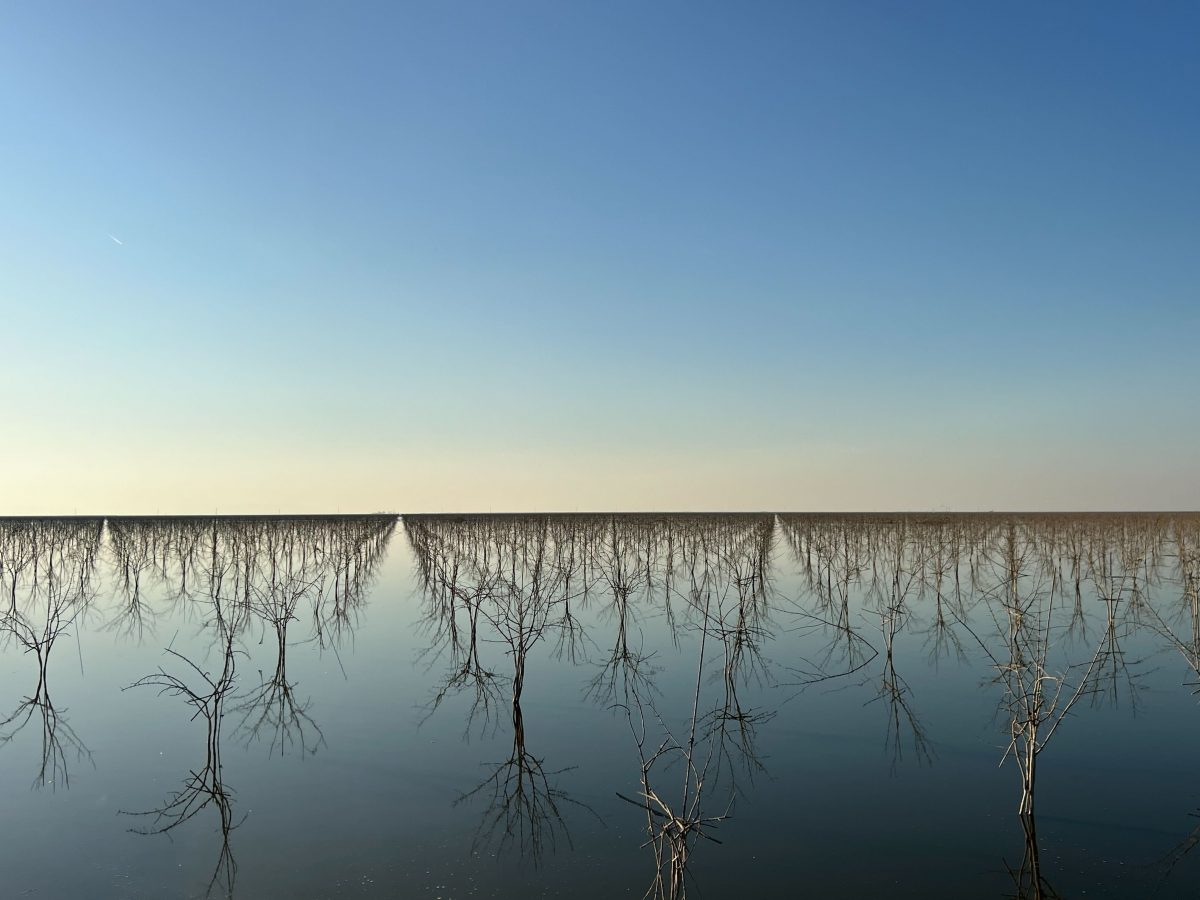
The broad topic of this year’s Advanced Design-Research curriculum is a deep consideration of California’s ‘Other’ – the invisibilities of violence and work, land and labor that fuel the nation – calorically and economically – specifically in the Tulare Lake Basin. Starting with the reemergence of the lake that has captured the nation’s imagination – a phantom that reemerges despite the industrial violence used to erase it – its story has become a symbol of a possible future, of liberation and transcendence, within and despite Capitalist ruins. Yet this offer of transcendence has nuance – with the engineering that hijacked the lake to facilitate 150 years of industrial agriculture came communities of people stolen for and drawn by capitalist promise that have been impacted by the flooding. Designing a nuanced future that negotiates what was, what is, and what can be in this landscape is the primary question.